What to Check Before Choosing Backyard Seating
Comfortable outdoor seating is rarely about one feature. A chair can look inviting and still feel wrong after a short sit, while a bench may seem plain until it lands in the right spot with enough room around it. Before choosing pieces for a backyard, check how they fit the space, the climate, the way people gather, and the level of care you want to give them.
Resin furniture is a practical starting point for many outdoor settings because it can be made in forms that suit casual lounging, dining, and compact corners. The useful question is not simply which piece looks best on its own. It is whether the shape, height, surface, and placement make the area easy to use.
Check the space before the style
Start with the pattern of the yard. Note where sun lands in the afternoon, where shade falls, and how people move from the house to the lawn, pool, or path. A comfortable seat needs breathing room. If furniture blocks a route, people will squeeze past it rather than settle into it.
Leave enough open ground for chairs to pull back from a table and for someone to walk behind a seated person without turning sideways. In smaller yards, a garden bench or a pair of compact chairs may work better than a full dining set. Wide open patios can carry larger arrangements, but they still need a clear purpose. A cluster of seats facing a focal point, such as a planting bed or fire feature, feels more settled than pieces scattered along the edge.
Think about the ground too. Resin chairs and tables sit best on a stable surface. On grass, soft soil can make legs sink unevenly, which affects both comfort and balance. On paving, check for slopes that cause a chair to rock. A small change in level can be more annoying than a hard seat.
Points to check for everyday comfort
- Seat depth. A seat that is too deep can leave the lower back unsupported, while one that is too shallow can feel perched. Check that the backrest meets the body without forcing an upright posture.
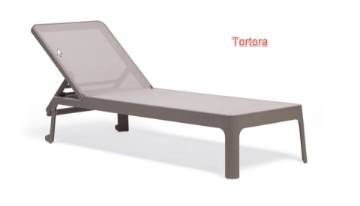
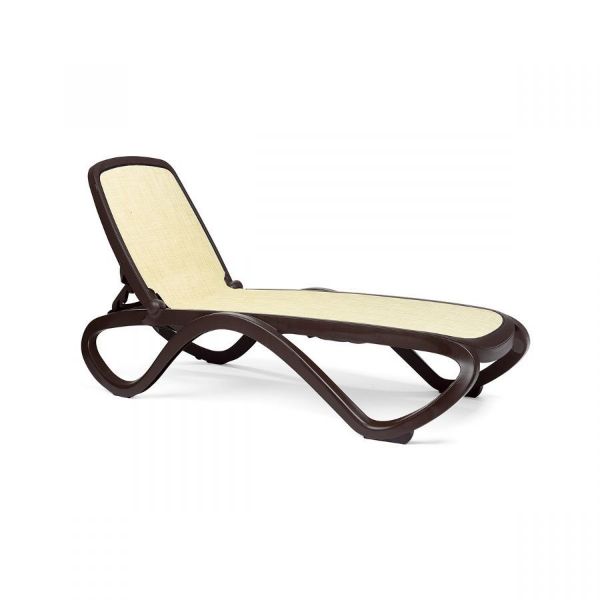
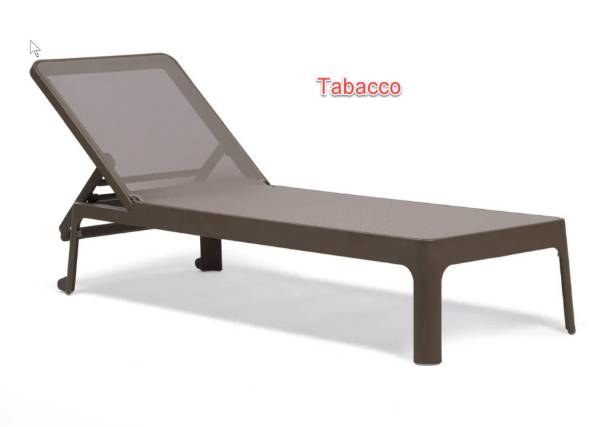
- Back angle. Dining chairs usually need a more upright shape, while chaise lounges and rocking chairs can lean back further. Match the angle to the main use of the space.
- Arm height. Arms should let shoulders relax. If they sit too high, they raise the shoulders; if too low, they offer little support when standing up.
- Surface feel. Smooth resin is easy to live with, but texture still matters. Check edges, seams, and any molded detail that might press into the legs or arms.
- Support and stability. A chair should feel steady when someone shifts weight, leans to one side, or stands. Watch for wobble across the seat, loose joints, or narrow feet that dig into soft ground.
Comfort also depends on what surrounds the seat. A side table within easy reach gives people somewhere to set a drink, book, or phone, so they do not balance items on their lap. An ottoman can make a lounge chair more flexible, especially for longer afternoons outside. These additions should be close enough to use but not so close that they crowd the seating.
Match the pieces to the way the yard is used
Different seats invite different behavior. An Adirondack chair suits a slow, low seating area with a view. A dining set suits meals and games. A porch swing works where there is a suitable overhead structure and enough clearance for movement. A bench can define an edge or offer a resting point along a path.
Mixing types can work well when each piece has a role. Two loungers with a small table create a quiet corner. Chairs around a table make outdoor meals simple. A bench near planting can turn a walk into a pause. The mistake is buying too many pieces for the same role while leaving another part of the yard unused.
When planning garden seating around a table, check chair clearance carefully. People need room to sit, stand, and move chairs without scraping nearby walls, planters, or railings. If the area is tight, choose slimmer profiles or fewer chairs rather than forcing a set into a space that resists it.
Check materials against local conditions
Outdoor furniture spends its life under changing conditions. Sun, rain, wind, dust, and temperature shifts all affect how a piece feels and how long it looks acceptable. Resin is often chosen for outdoor use because it can handle moisture without the same concerns that come with untreated wood. Even so, not every resin piece is identical.
Look for smooth molding, even color, and consistent edges. Dark surfaces can feel hot in strong sun, while light surfaces may show dirt more readily. Open slats and woven-look textures can shed water, but they may collect debris in small grooves. Solid panels are easier to wipe, though they can hold heat where sunlight is direct.
Wind is easy to overlook. Lightweight pieces can move across a patio or lawn when gusts build. A heavier dining table, a bench with a broad base, or furniture placed near a windbreak may feel more dependable. In exposed areas, think about where pieces can be stored or grouped during rough weather.
Shade placement changes comfort more than many people expect. A seat in full afternoon sun may be unused in warm months even if it is well made. A seat in deep shade may feel damp or cool in cooler seasons. A mix of sun and shade gives the yard more usable hours.
Check proportions and visual balance
Comfort is not only physical. A seating area feels more inviting when the pieces relate well to the size of the patio, lawn, or deck. Oversized furniture can swallow a small space. Tiny chairs can look lost on a broad terrace and fail to feel supportive for adults.
Compare seat height, table height, and the scale of nearby elements such as planters, steps, and railings. Low lounge furniture works well beside a pool or open lawn. Higher dining pieces feel natural near an outdoor table. A bench with a slim profile can sit along a boundary without making the area feel closed in.
Color and finish also shape the mood. Neutral tones tend to blend with paving, timber, siding, and planting. Stronger colors can give a patio a clear character, but they draw attention to the furniture even when the garden is quiet. If the aim is a calm space, choose pieces that support the setting rather than compete with it.
Check practical upkeep before buying
A comfortable seat stays comfortable when it is easy to keep clean. Think about how the furniture will be wiped, moved, and stored. Smooth surfaces generally take less effort than intricate creases. Cushions add softness, but they also need drying time and storage space when rain is likely.
Stacking or nesting pieces can help where space is limited. Benches and tables left outdoors need a quick check for standing water after rain. Chairs with drainage openings dry faster than seats that trap water in a broad hollow. Small design details like these affect how often a seating area feels ready to use.
Arrangement matters here as well. Leave room to clean beneath and around furniture, especially where leaves collect. Planters can soften a seating area, but they should not make chairs hard to move or block airflow around damp cushions.
Make a final pass before choosing
Before settling on pieces, picture a normal visit to the yard. Someone arrives with a drink, another person brings a book, and both need somewhere comfortable to sit without rearranging the whole patio. In a busy household, furniture may be pulled up for meals, shifted for shade, or moved aside for play. The best arrangement is one that tolerates real use.
Measure the intended area, mark the main walking routes, and check how each seat relates to shade, table space, and nearby surfaces. Then choose pieces that support the way the yard actually works, not just the way it looks in a quiet moment. Comfort follows from that fit: stable ground, sensible proportions, a supportive shape, and enough room for people to settle in without crowding one another.